k

About us
Contact us
In his commentary, srila Vishwanath Chakravarti Thakur writes that Dhritarashtra was not only blind in his eyes but also blind in intellect. Dhritarashtra asked the question:
“Dharma-kṣetre kuru-kṣetre samavetā yuyutsavaḥ
Māmakāḥ pāṇḍavāścaiva kimakurvata sañjaya”
They all went for war at Kurukshetra, which is a sacred place, known as a site of sacrifices performed by the demigods. Our thoughts are positively influenced by the pure atmosphete of such a holy place. So, possibly going to such a holy land like Kurukshetra might change the minds of Duryodhana and others and perhaps they would decide not to fight?
But Dhritarashtra actually wanted the war to happen for his son Duryodhana to become king. Though Duryodhana was unworthy, he still wanted him to rule. Dhritarashtra should have let Yudhishthira to become the king as he was righteous, respectful to elders and honest.
Srila Vishwanath Chakravarti Thakur writes that the term kshetra (field) refers to a farmland and the paddy crop therein represents the Pandavas, and the Kauravas are the weeds. Just as weeds grow amidst paddy crops and need to be removed, similarly, the Kauravas are weeds, and the farmer is Lord Shri Krishna.
In the dharma-kshetra of Kurukshetra, the crop—meaning the Pandavas—is being nurtured and strengthened by Krishna so that they could win. Meanwhile, the weeds—meaning the Kauravas—are to be uprooted and discarded. Eventually, the crop would thrive, and the Pandavas would emerge victorious.
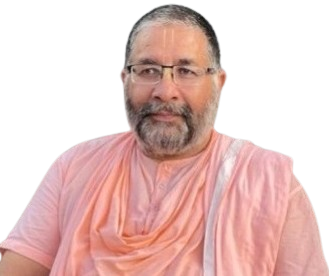
Swami B. V. Vishnu
17 May 2024
Sree Chaitanya Gaudiya Math, Delhi